









Wholesale inflation jumps to 8.3% in April, highest in three-and-a-half years
The increase comes in the backdrop rising global energy rates triggered by the conflict in West Asia.
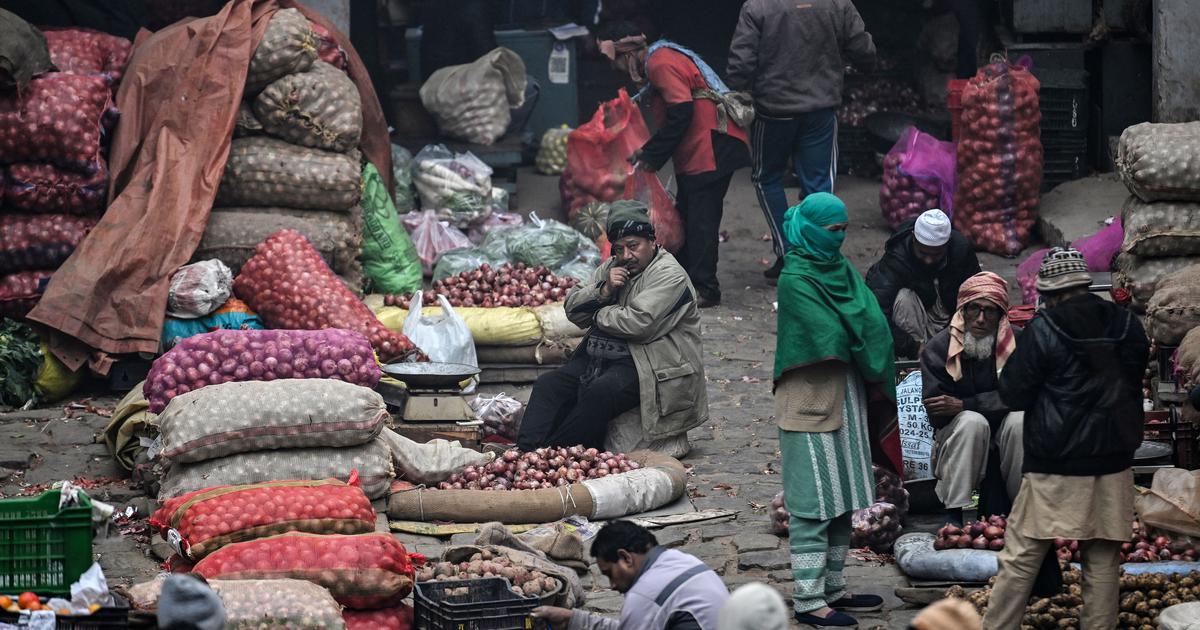
India’s Wholesale Price Index-based inflation jumped to 8.3% in April, its highest level in three-and-a-half years, according to data released by the Ministry of Commerce and Industry on Thursday.
This comes in the backdrop of rising global energy rates triggered by the conflict in West Asia. The Wholesale Price Index is a measure of inflation expressed by the changing prices of goods at the first instance of their bulk sale in India.
The last time wholesale price inflation in the country was higher than 8.3% was in October 2022, The Hindu reported. The index had stood at 3.9% in March.
Food inflation at the wholesale level remained relatively low at 2% in April, compared to 1.9% a month earlier.
The country’s retail inflation also rose by 3.4% in April, Reuters reported. Wholesale fuel and power prices jumped 24.7% year-on-year in April, against a rise of 1.05% in March.
In April, petroleum and natural gas prices rose 67.2%, the news agency reported.
Energy supplies to India have been disrupted since the conflict in West Asia broke out on February 28. Iran has effectively blocked the Strait of Hormuz, through which about 20% of global petroleum liquids supply passes, for most commercial ships.
This has also affected liquefied petroleum gas supplies in India. India imports 88% of its crude oil needs and about half of its natural gas requirement. This mostly comes through the Strait of Hormuz.
On Monday, Prime Minister Narendra Modi on Monday urged to citizens to reduce fuel consumption in response to the global uncertainty linked to the West Asia war. Addressing an event in Vadodara, Modi urged people to work from home where possible, use public transport and opt for car-pooling.
On Sunday as well, while addressing a rally in Hyderabad, the prime minister had called for “nationally responsible” lifestyle choices and urged citizens to place “the country above all else” during the crisis.
Among the measures he proposed were reviving work-from-home practices adopted during the Covid-19 pandemic, avoiding non-essential foreign travel for a year and reducing edible oil consumption.
The war
The US and Israel launched an attack on Iran on February 28, claiming that Tehran’s action posed an existential threat to Israel. Washington acts as a guarantor of Israel’s security.
Iran retaliated by striking US military bases in the region and Israel, and targeted major cities in Gulf countries and some ships.
On April 17, Iran reopened the Strait of Hormuz to commercial vessels after a 10-day ceasefire between Israel and Iran-backed militant group Hezbollah in Lebanon. A day later, however, Tehran said it was reimposing strict military controls on the waterway, alleging “repeated breaches of trust” by the US.
On April 13, Washington began blockading Iranian ports to mount economic pressure on Tehran.
The developments come amid continuing uncertainty over whether fresh talks between Iran and the US will take place. An initial round of peace talks between Iran and the US in Islamabad collapsed on April 12.
